


Savings
Everyday savings made simple, along with money market and health savings accounts for specific needs.


Earn interest and checking account bonus rewards.
Keep it simple with this low-cost checking account.
Build money management skills and bank smart.
Build your balance with no overdraft fees holding you back.
Find the checking account that fits your life.

Everyday savings made simple, along with money market and health savings accounts for specific needs.
Open our basic savings account if you want low (or no) fees.
Give family members up to 26 years of age a savings account head start.
Step up your savings with a high-yield money market account.
Got a high-deductible health plan? You're eligible for an HSA.


Explore options to reduce your mortgage rate or monthly payments and consolidate credit card debt, or fund other financial goals.
Buy a new car, truck, or SUV, or refinance an auto loan.
Finance your adventures on open waters or the open road.
Get behind the wheel of your dream RV at a great rate.
Reduce your rate and increase your borrowing power.
Get the rate and flexible terms. No collateral needed.
Build or rebuild your credit history and your credit score.

Manage your finances whenever, wherever.
Go paperless. Cut clutter and enhance security.
Go cashless with our safe, convenient virtual wallet.
Check your credit score and protect your credit.
Send and receive money the fast, safe, and easy way.
Send and receive wire transfers safely and securely.

Cash management tools, plus credits to offset fees.
Easy interest and operating expense management.
For small to mid-size businesses with low volumes.
Find the account that helps grow your business.
The documents you'll need for your type of business.
Access your business bank accounts online or on the go with our mobile banking app.

Prevent check and ACH fraud from spoiling a good day. Access ACH Debit & Credit Positive Pay via digital banking to help combat fraud.
Access your business bank accounts online or on the go with our mobile banking app.
Owner-occupied or investment, fixed or variable rates.
Flexible terms with fixed or variable rates.
Flexible terms with amortizations coordinated to the equipment's useful life.
Provides working capital for growing businesses.
Longer terms and low fixed rates for Missouri-based businesses.
Long-term, fixed-asset loans for land, building, and/or equipment.
Experts to help customize your loan for your unique needs.

Finance your commercial real estate project with the people's choice for "best commercial bank" and "best bank."
Prevent check and ACH fraud from spoiling a good day. Access ACH Debit & Credit Positive Pay via digital banking to help combat fraud.
Finance your commercial real estate project with the people's choice for "best commercial bank" and "best bank."
Finance your commercial real estate project with the people's choice for "best commercial bank" and "best bank."
Let's make your homeownership dreams a reality.
Cut your payments, consolidate debt, and more.
Turn the equity you've earned into a flexible line of credit.
Explore programs and resources designed to make homeownership more attainable.
Discover specialized loan programs designed for a variety of homeownership needs.
Lower your initial mortgage payments with a temporarily reduced rate.
Explore options to reduce your mortgage rate or monthly payments and consolidate credit card debt, or fund other financial goals.

Access your accounts online or on the go with our mobile banking app.
Prevent check and ACH fraud from spoiling a good day. Access ACH Debit & Credit Positive Pay via digital banking to help combat fraud.
Everyday savings made simple, along with money market and health savings accounts for specific needs.
Finance your commercial real estate project with the people's choice for "best commercial bank" and "best bank."
Checking with perks or just the basics.
Everyday savings made simple, along with money market and health savings accounts for specific needs.
Put your financial wellness first with options from basic to health savings accounts.
Invest in your future with a safe, secure CD or IRA. Lock it in and let it grow.
Explore options to reduce your mortgage rate or monthly payments and consolidate credit card debt, or fund other financial goals.
Auto loans to credit builder loans–borrow with confidence from your local bank.
Rewards, cash back, cash-secured—find what you want in a credit card right here.
Grab cash or pay with a swipe or tap from your checking or savings account.
Bank online or on the go—free e-statements and digital wallet included.
Partner with a local bank that's invested in a lifetime of financial wellness.
Power save with our limited-time money market and CD special offers.
Low fees and minimums, high degrees of automated banking.
Access your business bank accounts online or on the go with our mobile banking app.
Make your funds work harder to meet your short-term needs.
Prevent check and ACH fraud from spoiling a good day. Access ACH Debit & Credit Positive Pay via digital banking to help combat fraud.
Cash back, rewards—and more of what you want in a business credit card.
Grab cash or cover everyday expenses, everywhere Visa® is accepted.
Experience the latest point-of-sale system with Clover from Fiserv.
Access your business bank accounts online or on the go with our mobile banking app.
Start-up funds, working capital or financing for expansion, serviced in house.
Finance your commercial real estate project with the people's choice for "best commercial bank" and "best bank."
Bank anywhere—all the essential money management tools included.
Partner with a local bank that's invested in a lifetime of financial wellness.
Prevent check and ACH fraud from spoiling a good day. Access ACH Debit & Credit Positive Pay via digital banking to help combat fraud.
Power save with our limited-time money market and CD special offers.
Finance your commercial real estate project with the people's choice for "best commercial bank" and "best bank."
Partner with our expert business lenders for a personalized experience.
Finance your commercial real estate project with the people's choice for "best commercial bank" and "best bank."
Home loans serviced in-house with the one-on-one attention you deserve.
Explore options to reduce your mortgage rate or monthly payments and consolidate credit card debt, or fund other financial goals.
Take an expert guide on your homeownership journey.
Calculators and an in-depth glossary to keep you informed.
Ready to make an offer? So are we. See what's new.
Find a banking or mortgage center near you.
Access your accounts online or on the go with our mobile banking app.
Email, call, or pay us a visit. We'd love to see you.
Prevent check and ACH fraud from spoiling a good day. Access ACH Debit & Credit Positive Pay via digital banking to help combat fraud.
Take a trip down memory lane all the way back to 1867.
Everyday savings made simple, along with money market and health savings accounts for specific needs.
Learn about our commitment to community support.
Finance your commercial real estate project with the people's choice for "best commercial bank" and "best bank."
Pursue a career with purpose, possibility, and people who care.
Access your accounts online or on the go with our mobile banking app.
Fraud Protection & Account Security | April 29, 2026
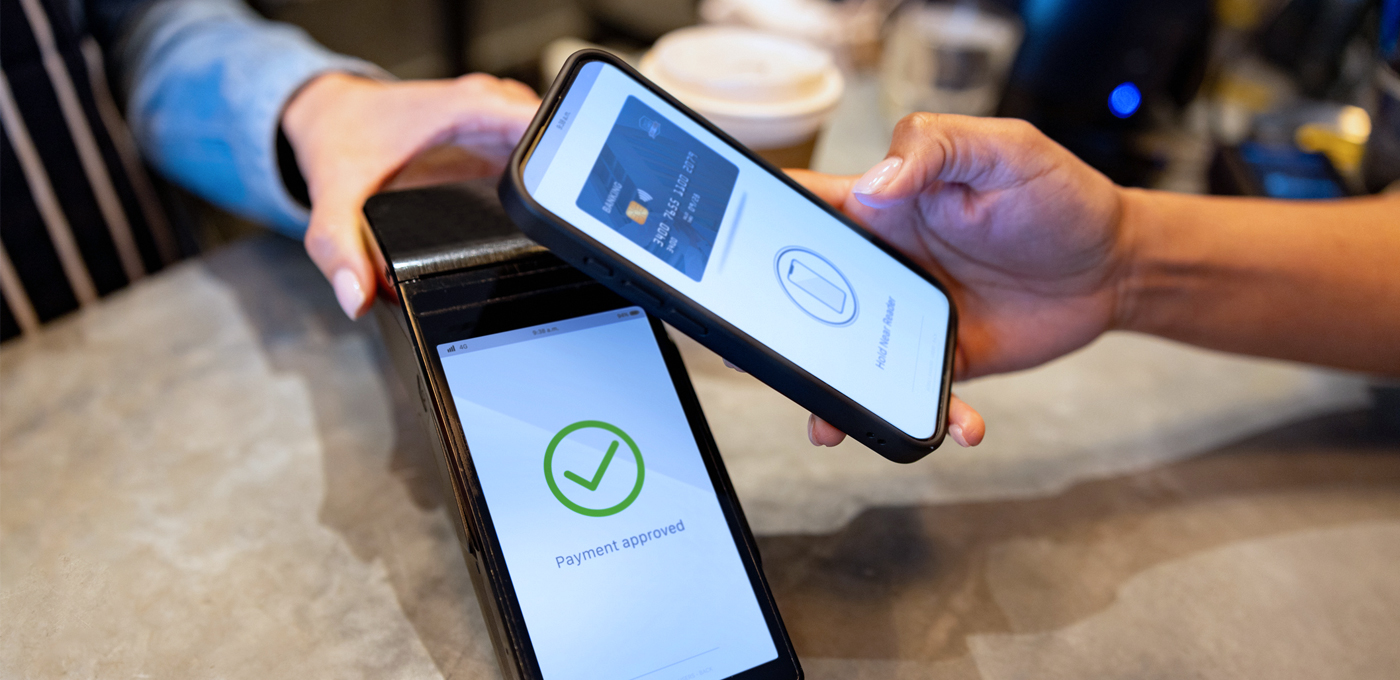
Digital wallets have quickly become one of the easiest ways to pay—whether you’re tapping your phone at checkout or checking out online in seconds.
But convenience isn’t the only reason people are making the switch.
More and more, customers are choosing digital wallets for something even more important: added security.
So, are digital wallets safe? And do they really help protect you from fraud?
The short answer: yes—when used correctly, digital wallets can add an extra layer of protection to your everyday purchases.
Digital wallets are designed with built-in security features that help keep your information safe every time you make a payment.
When you add your debit or credit card to a digital wallet, your actual card number isn’t stored on your device or shared with merchants. Instead, a unique, encrypted code—called a token—is used for each transaction.
That means:
Before completing a payment, most digital wallets require you to verify your identity using:
Even if your phone is lost or stolen, this added step helps prevent unauthorized use.
Because you’re not handing over your card, digital wallets can help reduce risks like:
In many situations, they can be.
Digital wallets add multiple layers of protection that traditional card payments don’t offer on their own. From encrypted transactions to built-in identity checks, they’re designed to help protect your information.
That said, no payment method is completely risk-free.
Some types of fraud don’t rely on technology—they rely on tricking people.
Digital wallets can’t fully protect against:
That’s why staying alert is just as important as using secure tools.
If you’re thinking about getting started, it’s helpful to know how your cards work with today’s most popular digital wallet apps.
First State Bank debit cards work with:
®®®.)First State Bank credit cards work with:
®®®This gives you flexible options to choose the wallet that works best for your device and preferences.
To get the most out of your digital wallet, a few simple habits can go a long way:
Digital wallets don’t just make paying easier—they can help make it safer.
By keeping your card number private and requiring confirmation from your device, they offer a different way to pay with built-in safeguards. When you combine those features with smart habits, you’re taking an important step toward protecting your information.
Explore your digital wallet options and see how easy it is to add your First State Bank card for secure, convenient payments.


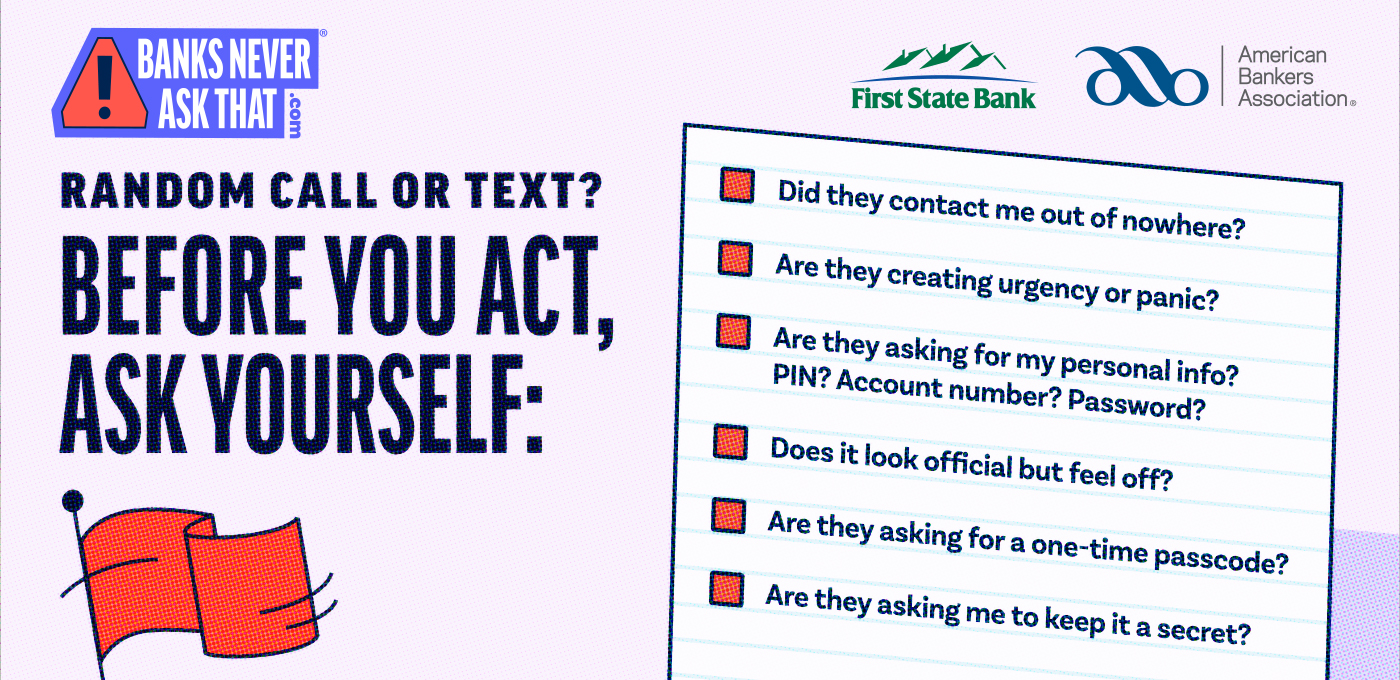
Bank News, Fraud Protection & Account Security
Read More Do you have what it takes to be a Scam Slayer?

Fraud Protection & Account Security
Read More Don’t Let an Imposter Scam Catch You Off Guard
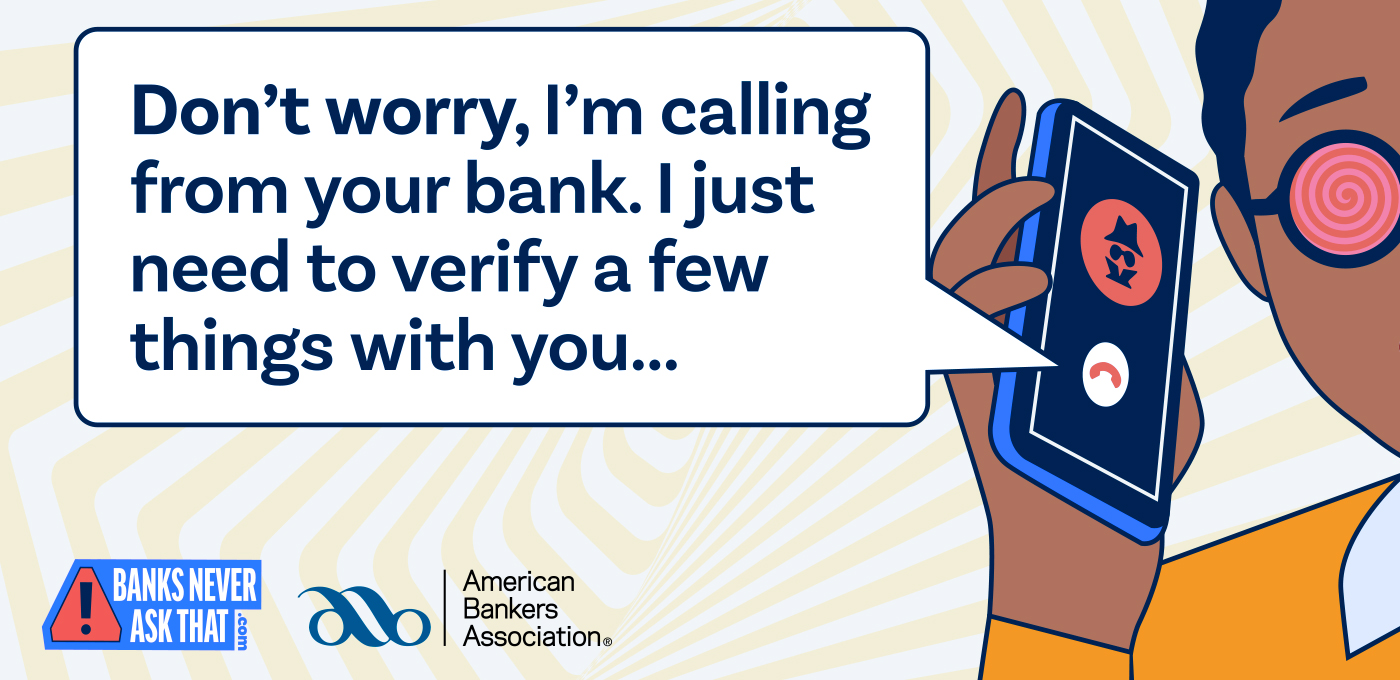
Fraud Protection & Account Security
Read More Can you spot a scam?
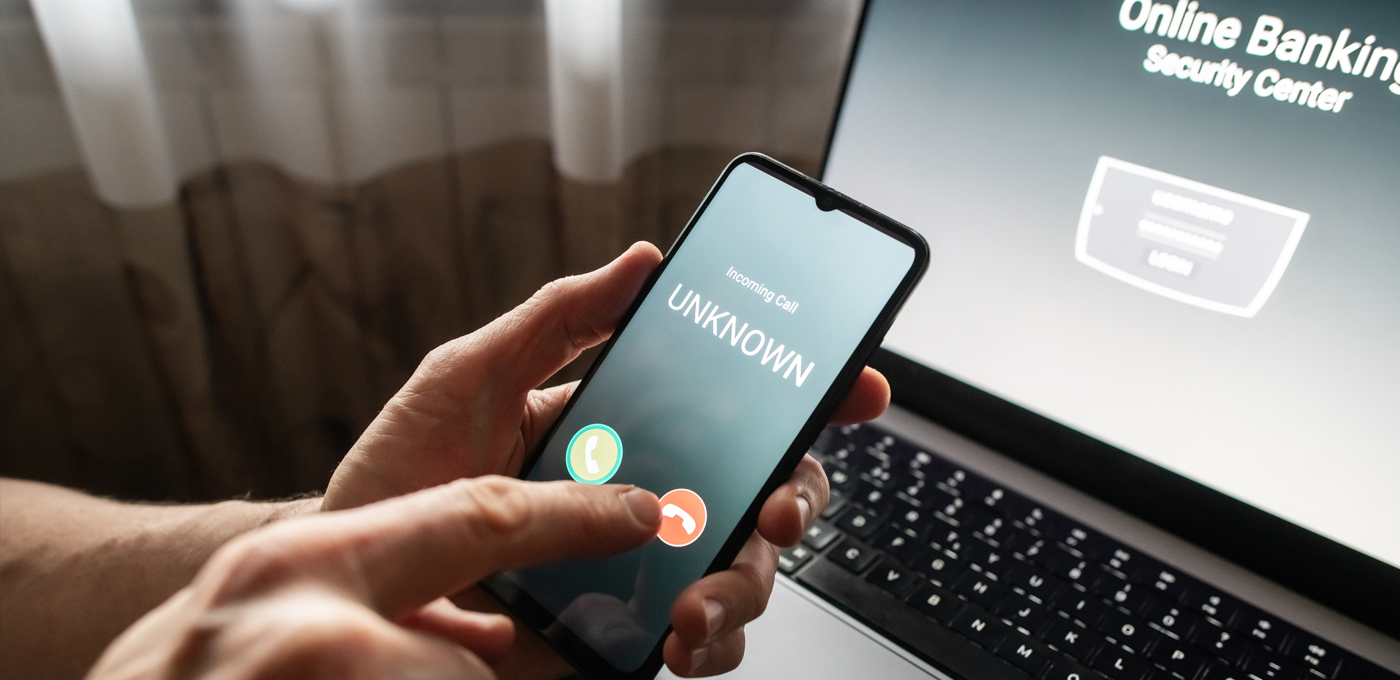
Bank News, Fraud Protection & Account Security
Read More Security Tips: How to Protect Yourself from Bank Scams and Phishing Attempts