


Savings
Everyday savings made simple, along with money market and health savings accounts for specific needs.


Earn interest and checking account bonus rewards.
Keep it simple with this low-cost checking account.
Build money management skills and bank smart.
Build your balance with no overdraft fees holding you back.
Find the checking account that fits your life.

Everyday savings made simple, along with money market and health savings accounts for specific needs.
Open our basic savings account if you want low (or no) fees.
Give family members up to 26 years of age a savings account head start.
Step up your savings with a high-yield money market account.
Got a high-deductible health plan? You're eligible for an HSA.


Explore options to reduce your mortgage rate or monthly payments and consolidate credit card debt, or fund other financial goals.
Buy a new car, truck, or SUV, or refinance an auto loan.
Finance your adventures on open waters or the open road.
Get behind the wheel of your dream RV at a great rate.
Reduce your rate and increase your borrowing power.
Get the rate and flexible terms. No collateral needed.
Build or rebuild your credit history and your credit score.


Manage your finances whenever, wherever.
Go paperless. Cut clutter and enhance security.
Go cashless with our safe, convenient virtual wallet.
Check your credit score and protect your credit.
Send and receive money the fast, safe, and easy way.
Send and receive wire transfers safely and securely.

Cash management tools, plus credits to offset fees.
Easy interest and operating expense management.
For small to mid-size businesses with low volumes.
Find the account that helps grow your business.
The documents you'll need for your type of business.

Access your business bank accounts online or on the go with our mobile banking app.

Prevent check and ACH fraud from spoiling a good day. Access ACH Debit & Credit Positive Pay via digital banking to help combat fraud.

Access your business bank accounts online or on the go with our mobile banking app.
Owner-occupied or investment, fixed or variable rates.
Flexible terms with fixed or variable rates.
Flexible terms with amortizations coordinated to the equipment's useful life.
Provides working capital for growing businesses.
Longer terms and low fixed rates for Missouri-based businesses.
Long-term, fixed-asset loans for land, building, and/or equipment.
Experts to help customize your loan for your unique needs.

Finance your commercial real estate project with the people's choice for "best commercial bank" and "best bank."
Prevent check and ACH fraud from spoiling a good day. Access ACH Debit & Credit Positive Pay via digital banking to help combat fraud.
Finance your commercial real estate project with the people's choice for "best commercial bank" and "best bank."
Finance your commercial real estate project with the people's choice for "best commercial bank" and "best bank."
Let's make your homeownership dreams a reality.
Cut your payments, consolidate debt, and more.
Turn the equity you've earned into a flexible line of credit.
Explore programs and resources designed to make homeownership more attainable.
Discover specialized loan programs designed for a variety of homeownership needs.
Lower your initial mortgage payments with a temporarily reduced rate.
Explore options to reduce your mortgage rate or monthly payments and consolidate credit card debt, or fund other financial goals.

Access your accounts online or on the go with our mobile banking app.
Prevent check and ACH fraud from spoiling a good day. Access ACH Debit & Credit Positive Pay via digital banking to help combat fraud.
Everyday savings made simple, along with money market and health savings accounts for specific needs.
Finance your commercial real estate project with the people's choice for "best commercial bank" and "best bank."
Checking with perks or just the basics.
Everyday savings made simple, along with money market and health savings accounts for specific needs.
Put your financial wellness first with options from basic to health savings accounts.
Invest in your future with a safe, secure CD or IRA. Lock it in and let it grow.
Explore options to reduce your mortgage rate or monthly payments and consolidate credit card debt, or fund other financial goals.
Auto loans to credit builder loans–borrow with confidence from your local bank.
Rewards, cash back, cash-secured—find what you want in a credit card right here.
Grab cash or pay with a swipe or tap from your checking or savings account.
Bank online or on the go—free e-statements and digital wallet included.
Partner with a local bank that's invested in a lifetime of financial wellness.
Power save with our limited-time money market and CD special offers.
Low fees and minimums, high degrees of automated banking.
Access your business bank accounts online or on the go with our mobile banking app.
Make your funds work harder to meet your short-term needs.
Prevent check and ACH fraud from spoiling a good day. Access ACH Debit & Credit Positive Pay via digital banking to help combat fraud.
Cash back, rewards—and more of what you want in a business credit card.
Grab cash or cover everyday expenses, everywhere Visa® is accepted.
Experience the latest point-of-sale system with Clover from Fiserv.
Access your business bank accounts online or on the go with our mobile banking app.
Start-up funds, working capital or financing for expansion, serviced in house.
Finance your commercial real estate project with the people's choice for "best commercial bank" and "best bank."
Bank anywhere—all the essential money management tools included.
Partner with a local bank that's invested in a lifetime of financial wellness.
Prevent check and ACH fraud from spoiling a good day. Access ACH Debit & Credit Positive Pay via digital banking to help combat fraud.
Power save with our limited-time money market and CD special offers.
Finance your commercial real estate project with the people's choice for "best commercial bank" and "best bank."
Partner with our expert business lenders for a personalized experience.
Finance your commercial real estate project with the people's choice for "best commercial bank" and "best bank."
Home loans serviced in-house with the one-on-one attention you deserve.
Explore options to reduce your mortgage rate or monthly payments and consolidate credit card debt, or fund other financial goals.
Take an expert guide on your homeownership journey.
Calculators and an in-depth glossary to keep you informed.
Ready to make an offer? So are we. See what's new.
Find a banking or mortgage center near you.
Access your accounts online or on the go with our mobile banking app.
Email, call, or pay us a visit. We'd love to see you.
Prevent check and ACH fraud from spoiling a good day. Access ACH Debit & Credit Positive Pay via digital banking to help combat fraud.
Take a trip down memory lane all the way back to 1867.
Everyday savings made simple, along with money market and health savings accounts for specific needs.
Learn about our commitment to community support.
Finance your commercial real estate project with the people's choice for "best commercial bank" and "best bank."
Pursue a career with purpose, possibility, and people who care.
Access your accounts online or on the go with our mobile banking app.

Fraud Protection & Account Security | July 16, 2026
Most of us have received a suspicious phone call, text message, or email at some point. While many are easy to ignore, others are carefully designed to look and sound legitimate. These are known as imposter scams, and they often target older adults by pretending to be trusted organizations, a government agency, law enforcement, or even a family member in need. Knowing how these scams work is one of the best ways to protect yourself and your finances.
Scammers often target older adults because they’ve built up savings over a lifetime, are more likely to answer the phone, and tend to trust someone who sounds knowledgeable or authoritative. They also know many people were raised to be polite and helpful—even when something feels a little off. Those assumptions are exactly what scammers count on.
The good news? No matter how sophisticated these scams become, they often share the same warning signs. By learning what to watch for, you can feel more confident recognizing an imposter scam before it has a chance to succeed.
Imposter scams rely on one thing: convincing you to act before you have time to think.
A scammer may call, text, email, or even contact you through social media. They often sound professional and may already know personal information about you. Some even use technology to make it appear that they’re calling from a legitimate phone number.
For older adults, these scams often involve someone pretending to be from a trusted organization like a bank, Medicare, Social Security, the IRS, or local law enforcement. Others impersonate a grandchild or family member in an emergency, hoping to create enough panic that you’ll send money before verifying the story.
Their goal is simple—to create urgency so you’ll act without verifying who they really are. According to the Federal Trade Commission, imposter scams were among the most commonly reported scams in 2025, resulting in billions of dollars in reported losses.

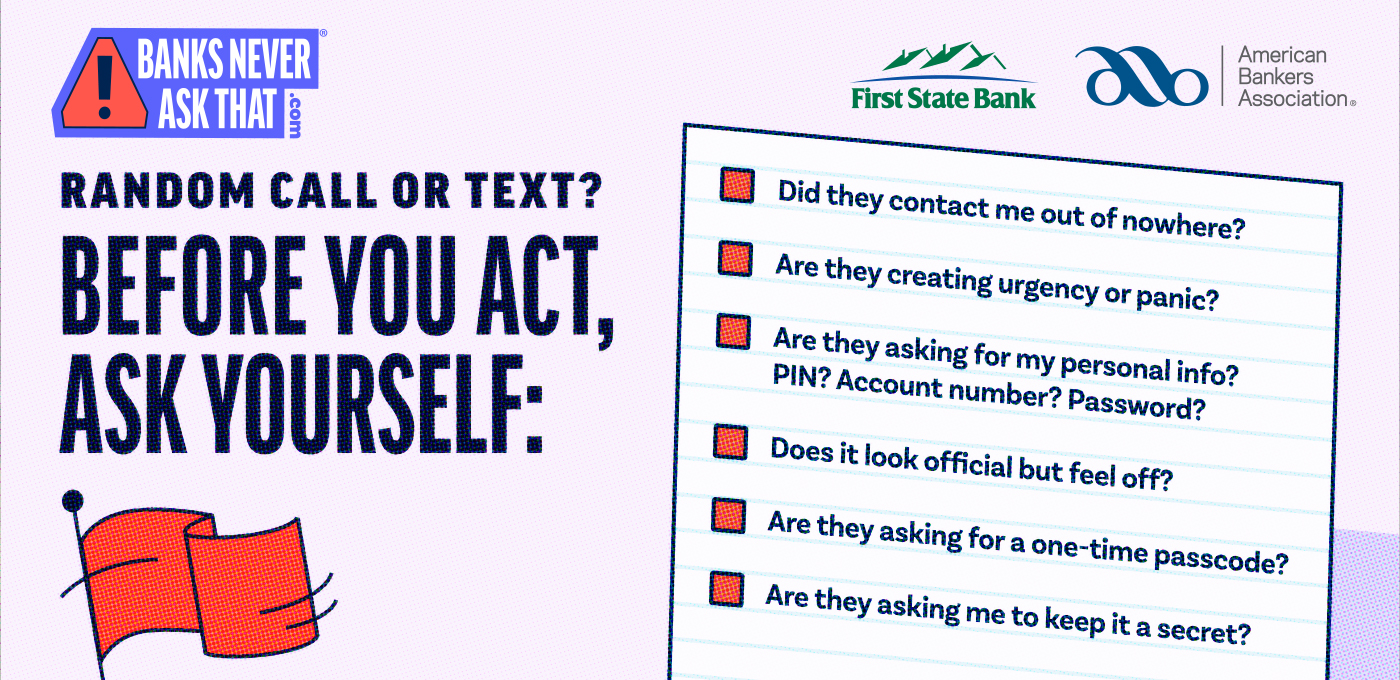
While every scam is different, most imposter scams involve one or more of these warning signs:
If any of these happen, pause. A legitimate organization wants you to make informed decisions—not rushed ones.
One of the easiest ways to recognize an imposter scam is to know what trusted organizations simply don’t do.
Your bank, government agencies, and law enforcement will never:
If someone makes any of these requests, it’s a strong indication you’re dealing with a scammer. (Federal Trade Commission)
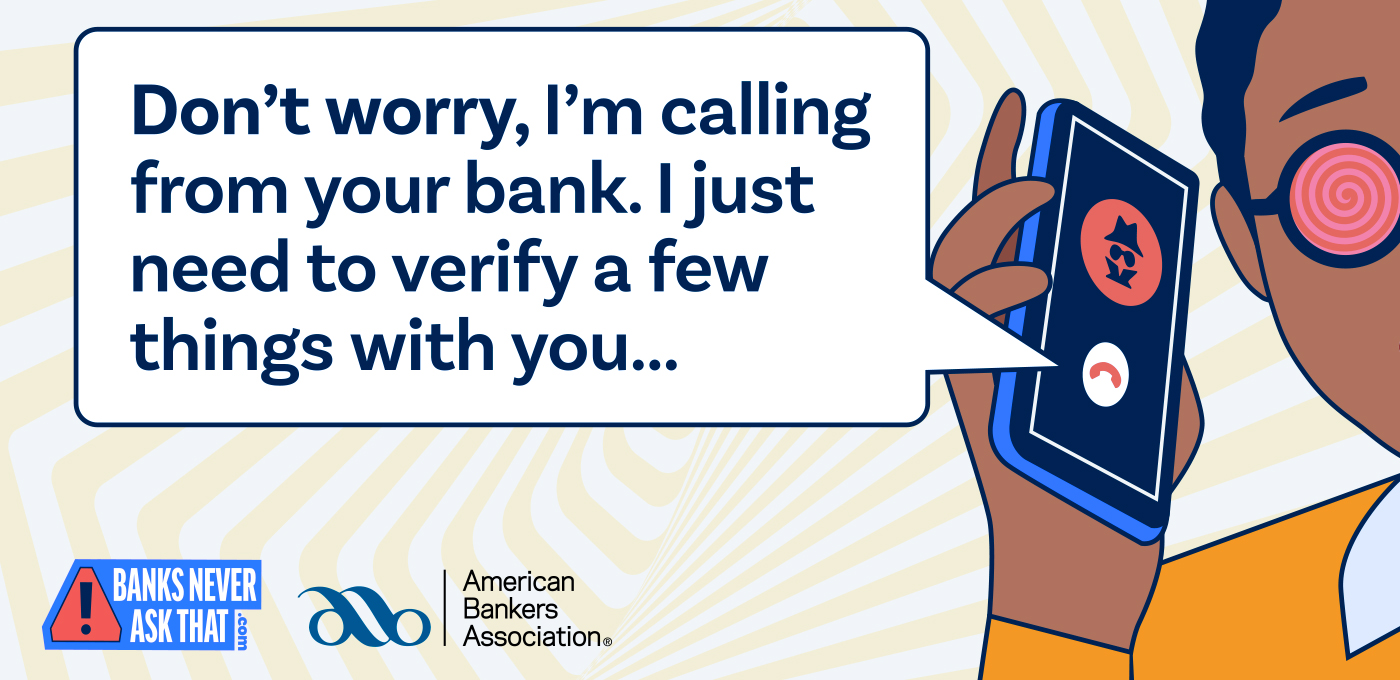
Remember: If someone claims to represent your bank, don’t use the phone number, email, or click on any link they provide. Hang up and call the number printed on the back of your debit or credit card, your bank statement, or listed on the bank’s official website. That simple step can prevent many imposter scams.
Today’s scammers don’t just rely on convincing stories—they use technology to make those stories seem legitimate.
They may spoof caller ID so it appears your bank is calling, send text messages that look like they’re from a trusted company, or create emails with official logos and branding. Some criminals are even using artificial intelligence (AI) to clone a loved one’s voice during a fake emergency call.
Appearances can be deceiving. Even if a phone number, email address, or voice seems familiar, take time to verify who you’re communicating with before sharing information or sending money.

A few simple habits can dramatically reduce your risk.
Scammers succeed by creating panic. Give yourself permission to stop and think.
If someone claims to represent your bank, the IRS, Medicare, Social Security, or another organization, end the conversation and contact that organization using a trusted phone number.
Before sending money or sharing personal information, discuss the situation with a family member, trusted friend, or your banker.
Passwords, verification codes, and online banking credentials should stay private.
If something feels unusual or too urgent, it probably deserves another look.
Scammers often insist that you keep the situation confidential or stay on the phone while you withdraw money. A legitimate organization will never discourage you from talking with your family or your banker.
If you believe you’ve shared personal information, sent money to a scammer, or given someone access to your financial accounts, don’t wait to take action. Acting quickly may help limit further financial loss.
Remember, anyone can become the target of a scam. Reporting it quickly and taking prompt action can make a meaningful difference.
At First State Bank, protecting your financial well-being goes beyond safeguarding your accounts—it means helping you recognize fraud before it happens.
If you ever receive a suspicious phone call, text message, email, or request involving your finances, don’t hesitate to contact us before taking action.
If something doesn’t feel right—even if you’re worried it might be a silly question—give us a call or stop by your local branch. We’d much rather help you verify a suspicious request than help you recover from a scam after the fact. Sometimes a five-minute conversation is all it takes to prevent a lifetime of savings from ending up in the wrong hands.
When in doubt, give us a call. We’re always happy to help.


Bank News, Fraud Protection & Account Security
Read More Do you have what it takes to be a Scam Slayer?
Fraud Protection & Account Security
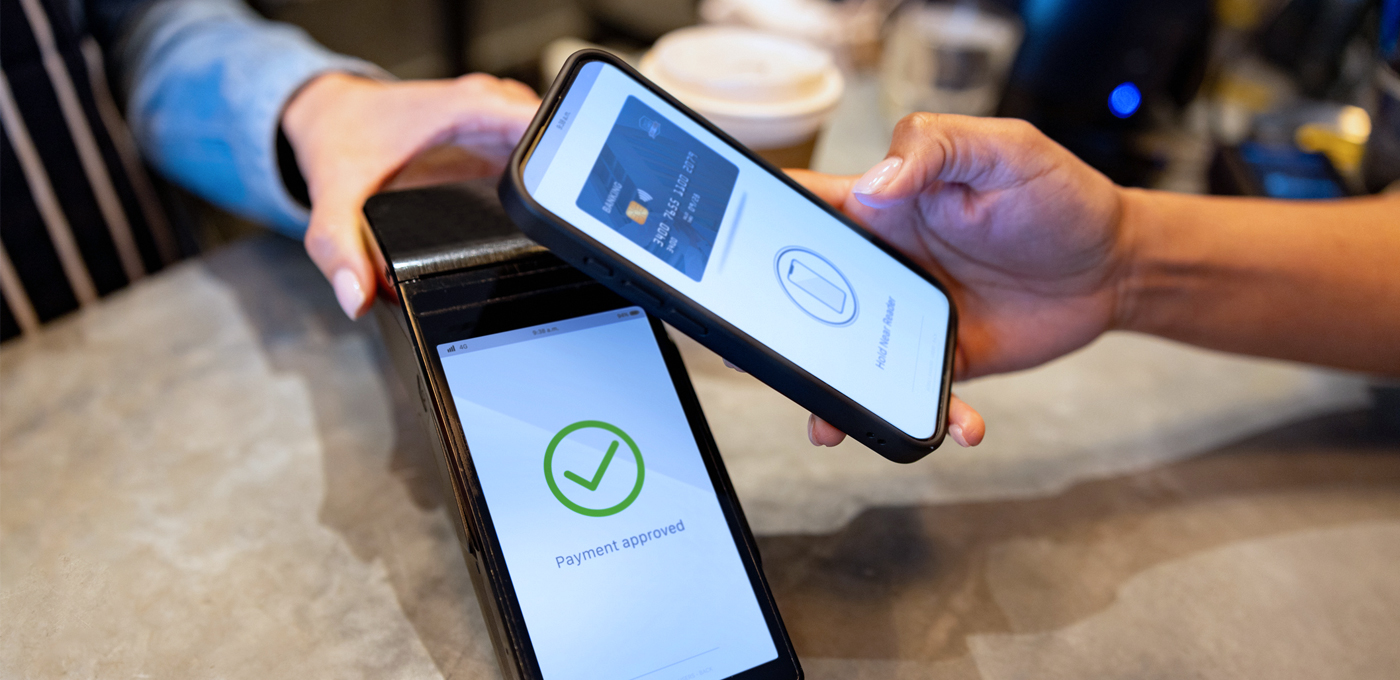
Read More Digital Wallet Security: Do They Add Fraud Protection?
Fraud Protection & Account Security
Read More Can you spot a scam?
Bank News, Fraud Protection & Account Security
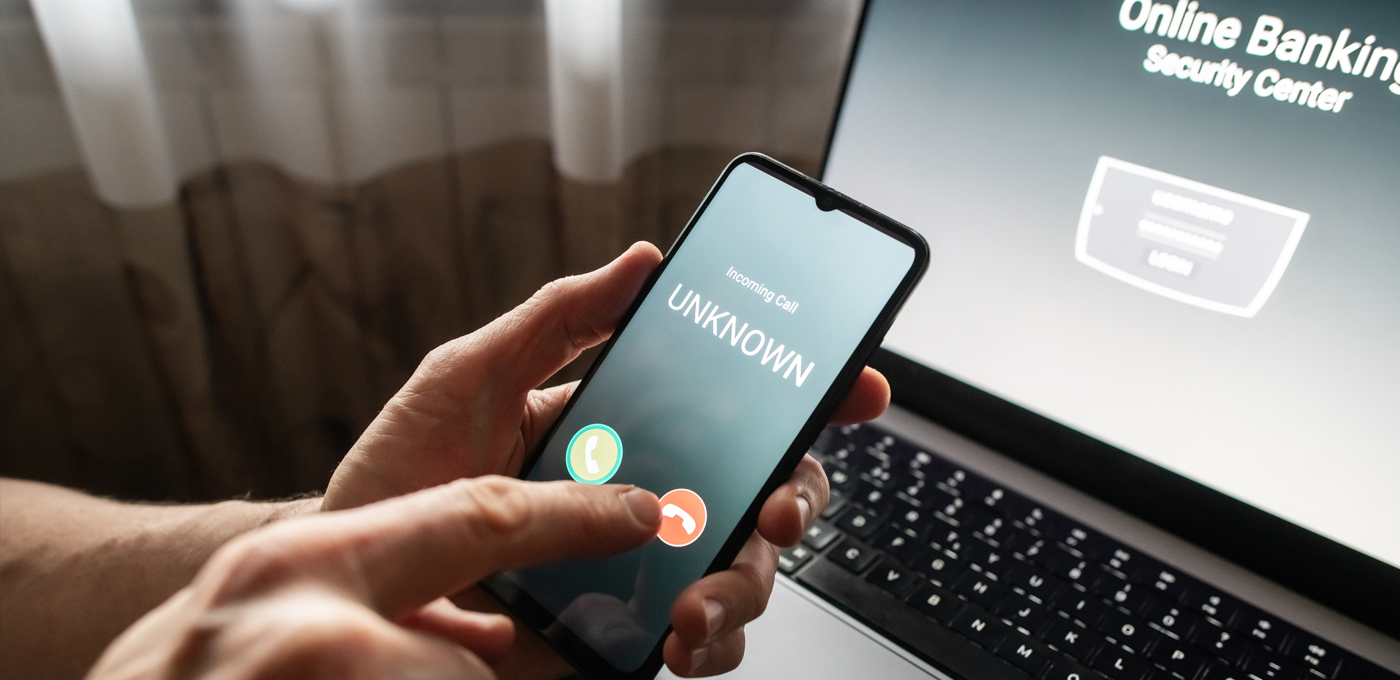
Read More Security Tips: How to Protect Yourself from Bank Scams and Phishing Attempts